
Investigation
A Michigan Senator Bought Kraft Heinz One Day After Congress Moved on SNAP Food Rules
Gary Peters disclosed a self-owned purchase of Kraft Heinz stock on May 21, 2026. The trade was small, between $1,001 and $15,000, but the timing was not ordinary: one day earlier, the House Rules Committee posted an Agriculture-FDA report package with food-classification language that touched the same federal programs Kraft Heinz had been pressing Washington on.
Published June 13, 2026

Trade
$1,001-$15,000
KHC purchase dated May 21, 2026; reported June 11, 2026.
SNAP Pool
$101.24B
SNAP funding in H. Rept. 119-632, including a $3B contingency reserve.
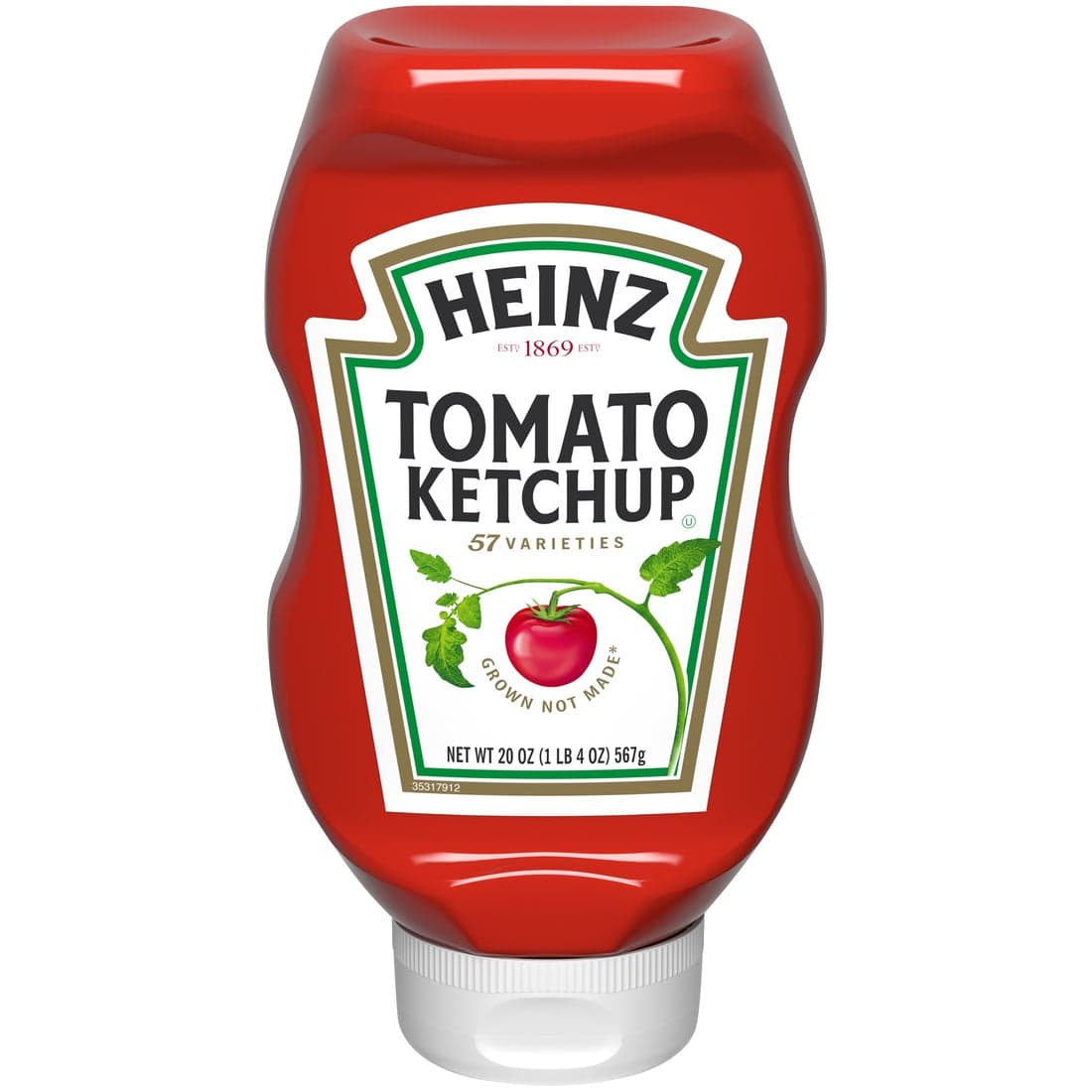
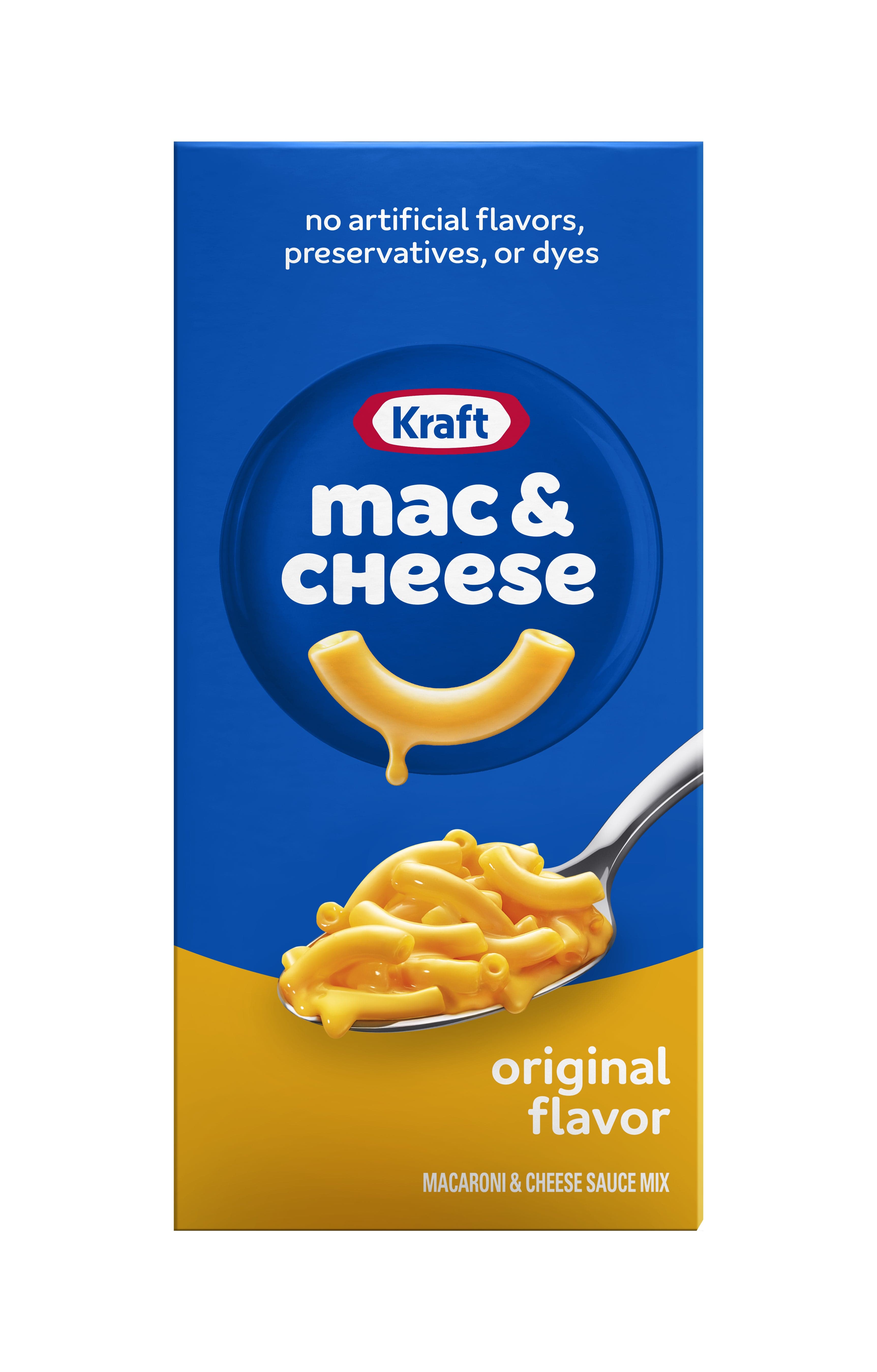
Kraft Heinz is the company behind Heinz, Kraft Mac & Cheese, Oscar Mayer, Philadelphia, Lunchables, Velveeta, Ore-Ida, Capri Sun, Kool-Aid, and Jell-O. Since at least Q1 2024, its federal lobbying disclosures show the company working on SNAP choice, the Farm Bill, school meals, ultra-processed food, healthy classification, sugar, animal welfare, tariffs, and trade. By Q1 2026, the issue had tightened: Kraft Heinz was pressing Congress, USDA, FDA, the White House, and trade officials on SNAP provisions, healthy-food classification, and tariff exposure.
The money path runs through the grocery aisle. The House report provided $101.24 billion for SNAP, including a $3 billion contingency reserve. USDA says most SNAP benefits are redeemed at supermarkets and superstores. Kraft Heinz told investors in May that SNAP changes were already hurting transactions and that its 2026 sales outlook included a 100-basis-point SNAP headwind.
On Kraft Heinz's 2025 U.S. net sales base of $16.784 billion, a 100-basis-point swing is about $168 million. On total 2025 company net sales of $24.942 billion, it is about $249 million. A separate grocery-wallet model is larger: Kraft Heinz's U.S. net sales were about 1.5% of USDA's $1.10 trillion 2025 food-at-home expenditure base. Applying that share to the $101.24 billion SNAP pool implies roughly $1.5 billion of SNAP-linked annual grocery demand exposed to Kraft Heinz's categories.
Finding
1
Peters bought KHC one day after House Rules posted the Agriculture-FDA report package.
The PTR lists a self-owned Kraft Heinz stock purchase dated May 21, 2026. The House Rules page for H. Rept. 119-632 was posted May 20.
Sources: Senate PTR; House Rules H. Rept. 119-632 posting.
2
Peters sits in the Senate lane tied to USDA, FNS, FDA, food safety, and nutrition programs.
Peters was not a House member and the May 20 posting was not his floor vote. His proximity comes through the Senate side of the same spending lane.
Sources: Peters committee assignments; Senate Agriculture-FDA subcommittee.
3
Kraft Heinz had already named SNAP, healthy-food classification, FDA, USDA, tariffs, and trade as pressure points.
Kraft Heinz told Washington it cared about SNAP and food classification. It told investors those SNAP changes were already hurting demand.
Sources: KHC Q1 2026 lobbying disclosure; KHC Q1 2026 10-Q.
Peters' Committee Lane
The Senate Agriculture-FDA subcommittee covers USDA, the Food and Nutrition Service, FDA, food safety, and nutrition. Peters' FY2027 appropriations handbook says programmatic requests can include bill or report language telling federal agencies how to implement programs, and it invites stakeholders to request specific legislative or report language.
That is the pressure point: report language does not need to create a new law to shape agency behavior. It can tell FDA and USDA what Congress wants considered before agencies define foods, alter program rules, or classify products inside Federal nutrition programs.
Committee Lane
Appropriations report language can direct agency implementation.
Member
Subcommittee
Jurisdiction
Request power
Sources: Peters FY2027 appropriations handbook; Senate Agriculture-FDA subcommittee.
Kraft Heinz Had Been Working This Lane
Kraft Heinz's lobbying record shows a long-running fight over how federal food programs and food definitions treat packaged groceries.
In Q1 2024, Kraft Heinz listed SNAP P-EBT, SNAP Choice, the Farm Bill, school meals, ultra-processed food, and healthy classification. In Q3 2024, it listed SNAP Choice, the Farm Bill, the Thrifty Food Plan, edible oils, plant-based labeling, school meals, and animal welfare. In Q1 2026, it listed H.R. 7567, the Farm, Food, and National Security Act of 2026, with provisions related to SNAP, animal welfare, and healthy-food classification.
The 2026 filing named the targets: the House, Senate, USDA, FDA, the White House, USTR, Commerce, State, and Homeland Security. That is not generic food-company lobbying. It is the exact policy surface that affects how grocery staples are defined, priced, reimbursed, purchased, and regulated.
Kraft Heinz lobbying trail
| Period | Issue surface | Official targets |
|---|---|---|
| Q1 2024 | SNAP P-EBT, SNAP Choice, Farm Bill, sugar, animal welfare, school meals, ultra-processed food, healthy classification. | House, Senate, USDA, FDA, and related offices. |
| Q3 2024 | SNAP Choice, Farm Bill, Thrifty Food Plan, edible oils, plant-based labeling, school meals, animal welfare. | House, Senate, USDA, FDA, and related offices. |
| Q1 2026 | H.R. 7567 provisions related to SNAP, animal welfare, healthy-food classification, trade, and tariffs. | House, Senate, USDA, FDA, White House, USTR, Commerce, State, DHS. |
Sources: Q1 2024 filing, Q3 2024 filing, Q1 2026 filing.
Kraft Heinz Said SNAP Was Already Hurting Demand
The direct company statement came in the Q1 2026 filing. Kraft Heinz said the 2025 budget law changed SNAP and that, by Q1 2026, the changes had reduced both the number of SNAP participants and the average benefits received. The company said those changes had already hurt demand for its products and may continue to hurt results, cash flow, and market share.
On the Q1 2026 Q&A call, CFO Andre Maciel gave the operating version of the same problem. SNAP transactions were already down in February and March. The company expected the impact on SNAP households to become more pronounced during the rest of the year. Kraft Heinz was using part of its $600 million investment plan against opening price points because that consumer base was under pressure.
Issuer Statement
Kraft Heinz directly tied SNAP changes to demand, cash flow, and market share.
10-Q
Q&A call
Mitigation
Sources: KHC Q1 2026 10-Q; KHC Q1 2026 earnings release.
The SNAP Dollar Map
SNAP dollars flow through retailers, not directly to Kraft Heinz. The company gets paid when households use benefits to buy eligible grocery products and retailers reorder inventory.
USDA's FY2022 redemption study found that 78.0% of SNAP benefits were redeemed at supermarkets and superstores, with additional benefits redeemed at grocery stores, convenience stores, and internet retailers. Kraft Heinz's own 2025 report says its products are sold through grocery accounts, convenience stores, value and club stores, mass merchants, pharmacies, e-commerce retailers, and distributors. Walmart alone represented about 21% of Kraft Heinz net sales in 2025.
SNAP exposure model
| Measure | Dollar figure | Why it matters |
|---|---|---|
| House report SNAP funding | $101.24B | Size of the federal benefit pool in the Agriculture-FDA report package. |
| KHC 2025 U.S. net sales | $16.784B | Domestic company sales base exposed to U.S. grocery demand. |
| 100 bps on KHC U.S. net sales | About $168M | Rough annual sales swing from a one-percent SNAP hit. |
| 100 bps on KHC total net sales | About $249M | Rough company-wide sales swing using total 2025 sales. |
| Grocery-wallet model | About $1.5B | Modeled SNAP-linked annual demand pool for KHC categories. |
The $1.5B figure is a model: KHC U.S. sales divided by USDA food-at-home expenditures, then applied to the SNAP pool. Sources: USDA ERS, USDA FNS, KHC 10-K, H. Rept. 119-632.
What May 20 Changed
On May 20, House Rules posted H. Rept. 119-632, the Agriculture-FDA report package. The report contained a section titled Food Classification and Nutrient-Dense Foods.
The language told FDA and USDA to make any food-classification system evidence-based, consider the full nutritional profile of foods, avoid accidental misclassification of nutrient-dense foods, consult stakeholders, consider effects on food prices and availability, consider Federal nutrition programs and vulnerable populations, and use notice-and-comment rulemaking before implementing definitions.
May 20 Signal
H. Rept. 119-632 created a protective rulemaking lane.
SNAP demand
Classification
Portfolio strategy
Sources: H. Rept. 119-632; Kraft Heinz FD&C colors announcement; Kraft Heinz Q1 2026 earnings release.
The May 20 report language did not guarantee Kraft Heinz a dollar of SNAP spending. It improved the rulemaking terrain for the exact issues Kraft Heinz was lobbying: SNAP, classification, FDA, USDA, and food-program treatment.
The Tariff Side Channel
The KHC purchase also followed a Peters bill on tariffs. On May 19, Peters introduced S. 4563, the Section 232 Public Transparency Act. His office later described the bill as a transparency measure for Commerce Department tariff investigations involving national-security risks tied to imports.
Kraft Heinz was lobbying on trade and tariffs in Q1 2026. Its Q1 2026 filing said tariff and trade-policy actions had increased supply-chain costs in 2025. The same filing said any tariff recovery was uncertain because Kraft Heinz was not the importer of record for most raw materials sourced from outside the United States.
The tariff lane does not replace the SNAP thesis. It adds a second official pressure point in the same week: food-program demand on one side, input-cost transparency on the other.
Timeline
Q1 2024
Kraft Heinz lobbied on SNAP and food classification.
The company listed SNAP P-EBT, SNAP Choice, Farm Bill, ultra-processed food, and healthy classification.
Q3 2024
The SNAP lane continued.
Kraft Heinz listed SNAP Choice, the Farm Bill, the Thrifty Food Plan, edible oils, school meals, and animal welfare.
Jun 17, 2025
Kraft Heinz announced FD&C color removal.
The company said it would remove remaining certified FD&C colors from its U.S. portfolio before the end of 2027.
Q1 2026
Kraft Heinz targeted SNAP and healthy-food classification.
Its filing listed H.R. 7567 provisions related to SNAP, animal welfare, and healthy-food classification.
May 6, 2026
Kraft Heinz quantified the SNAP headwind.
The company said its 2026 sales outlook included a 100-basis-point impact from incremental SNAP headwinds.
May 19, 2026
Peters introduced S. 4563.
The bill addressed public transparency around Section 232 tariff investigations.
May 20, 2026
House Rules posted H. Rept. 119-632.
The report contained food-classification language for FDA and USDA.
May 21, 2026
Peters bought KHC.
The Senate PTR later disclosed a self-owned KHC purchase between $1,001 and $15,000.
Jun 11, 2026
The KHC purchase was reported.
The PTR entered the public disclosure record.
Source Index
- Senate periodic transaction disclosure for Peters' KHC purchase
- Peters committee assignments
- Senate Agriculture-FDA Appropriations subcommittee
- Peters FY2027 appropriations handbook
- Kraft Heinz Q1 2024 lobbying disclosure
- Kraft Heinz Q3 2024 lobbying disclosure
- Kraft Heinz Q1 2026 lobbying disclosure
- WilmerHale Q1 2026 lobbying disclosure for Kraft Heinz
- Kraft Heinz 2025 Form 10-K
- Kraft Heinz Q1 2026 Form 10-Q
- Kraft Heinz Q1 2026 earnings release
- Kraft Heinz FD&C colors announcement
- House Rules H. Rept. 119-632 posting
- GovInfo H. Rept. 119-632
- USDA ERS food expenditure series
- USDA FNS SNAP redemption patterns
- Congress.gov S. 4563
- Peters press release on S. 4563
Disclaimer: This article is based on public disclosures, official congressional records, company filings, federal lobbying records, and USDA data. It is not an allegation of illegal conduct and is not financial advice.
Politraders newsletter
Stay on track with new investigations.
Get congressional trade alerts, source-backed articles, and policy context when new public records drop.
Join the newsletter