
Investigation
Congress Is Helping Uber Strip Away Rideshare Victims' Rights
Congress is moving H.R. 8870, the BUILD America 250 Act, a major transportation bill with language limiting liability for app-based transportation companies. For Uber, that language points straight at crashes, sexual-assault claims, insurance costs, and state-level lawsuits. Members of Congress are also disclosing UBER purchases, putting their portfolios next to legislation that could make Uber more valuable.
Drafted June 24, 2026
Q1 lobbying
$1.5M
Approximate unique-filing total across Uber and outside firms.
Insurance reserves
$12.9B
Uber Q1 2026 Form 10-Q balance at March 31.
Committee vote
35-30
Fong 041 Rev1 adopted in House T&I on May 21.
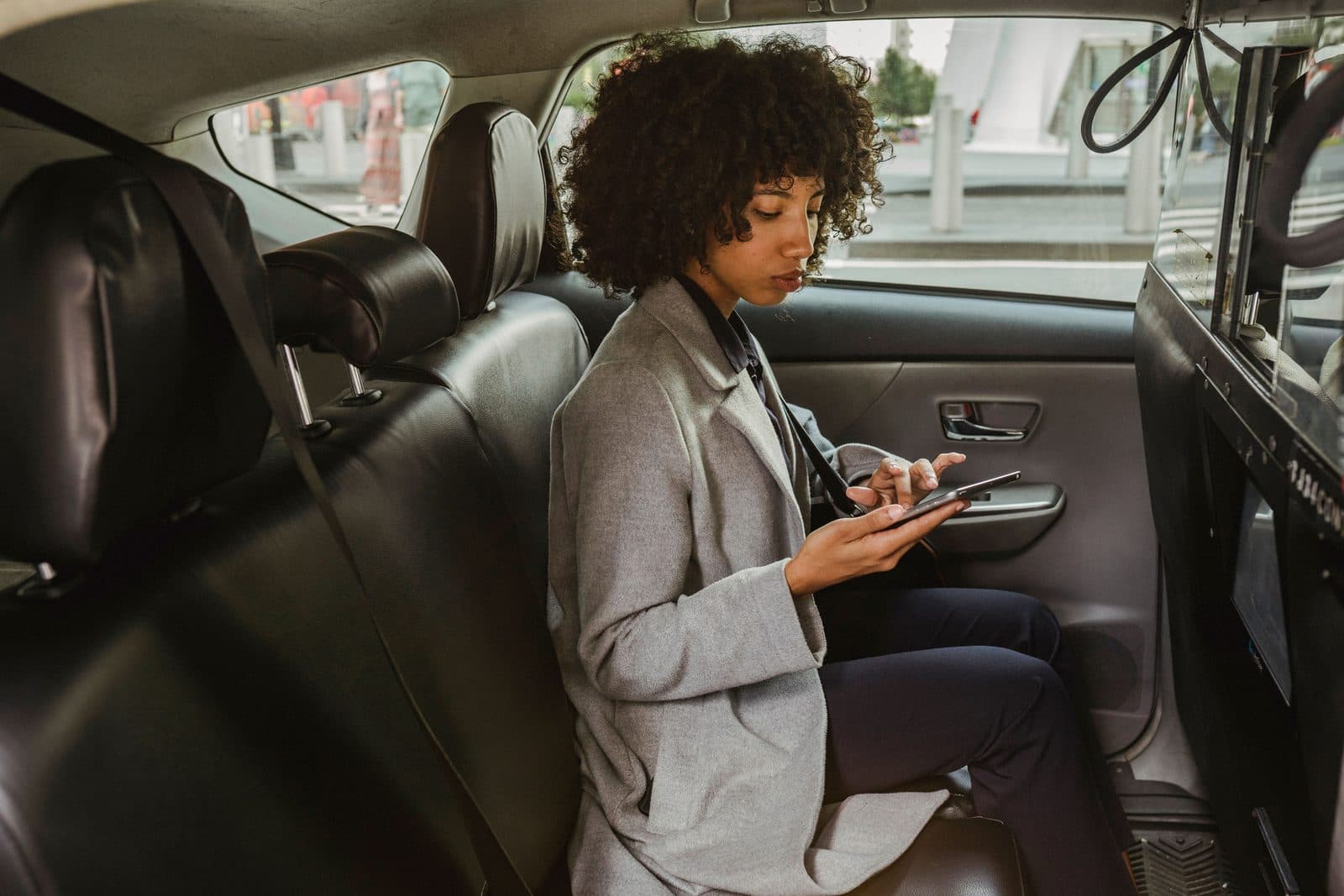

Every time an Uber ride goes wrong, a passenger or driver can try to bring legal claims over what happened inside the trip. If that trip ends in a crash, assault, serious injury, or death, the lawsuit can reach beyond the driver and toward the company that built the platform.
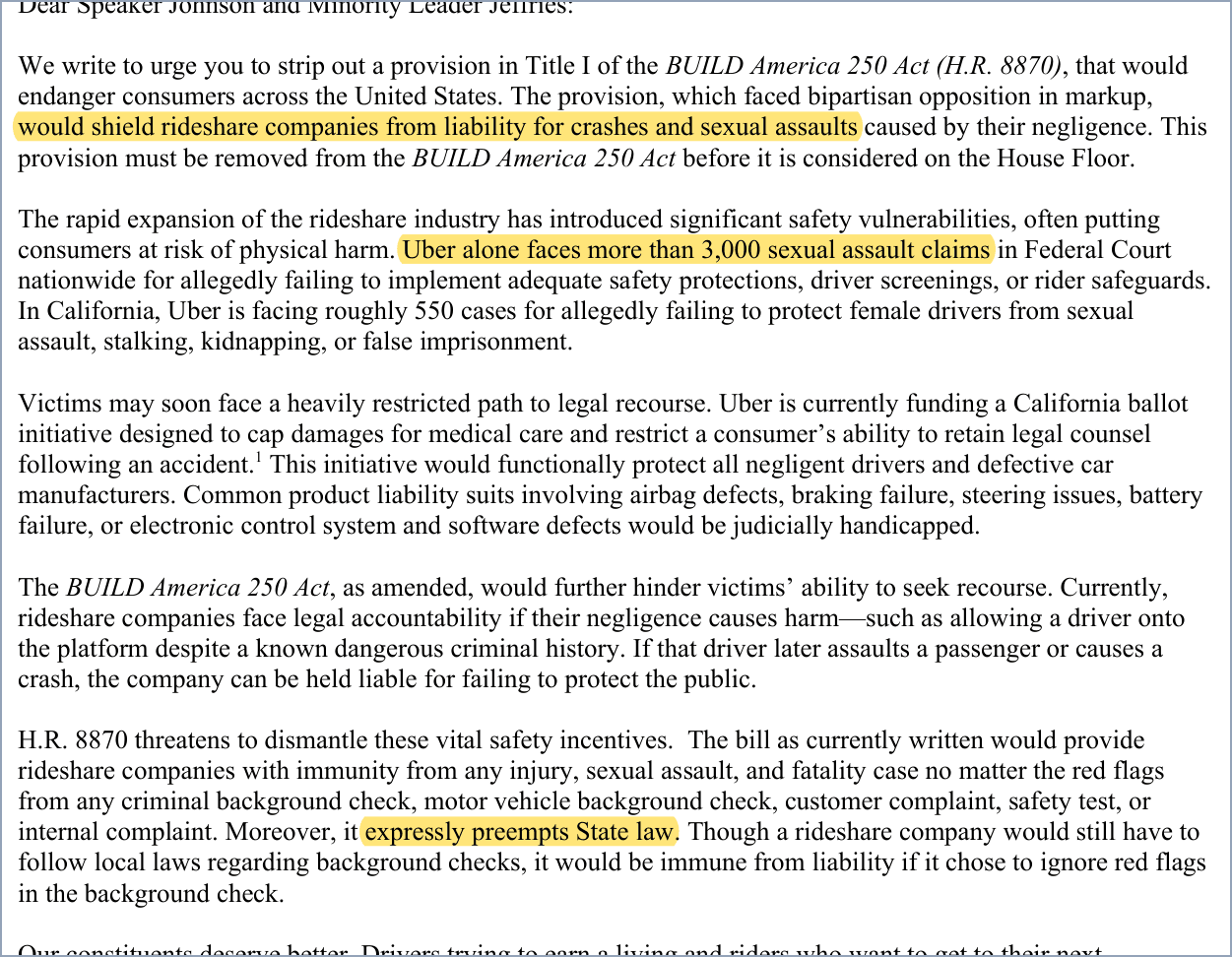
That is the legal risk Uber has been trying to narrow because legal claims, insurance reserves, and litigation costs sit directly inside the company's financial model. In June 2026, House members warned party leaders that the new transportation bill could shield rideshare companies from liability for crashes and sexual assaults. Their letter named Uber directly and said the company faces more than 3,000 sexual-assault claims in federal court.
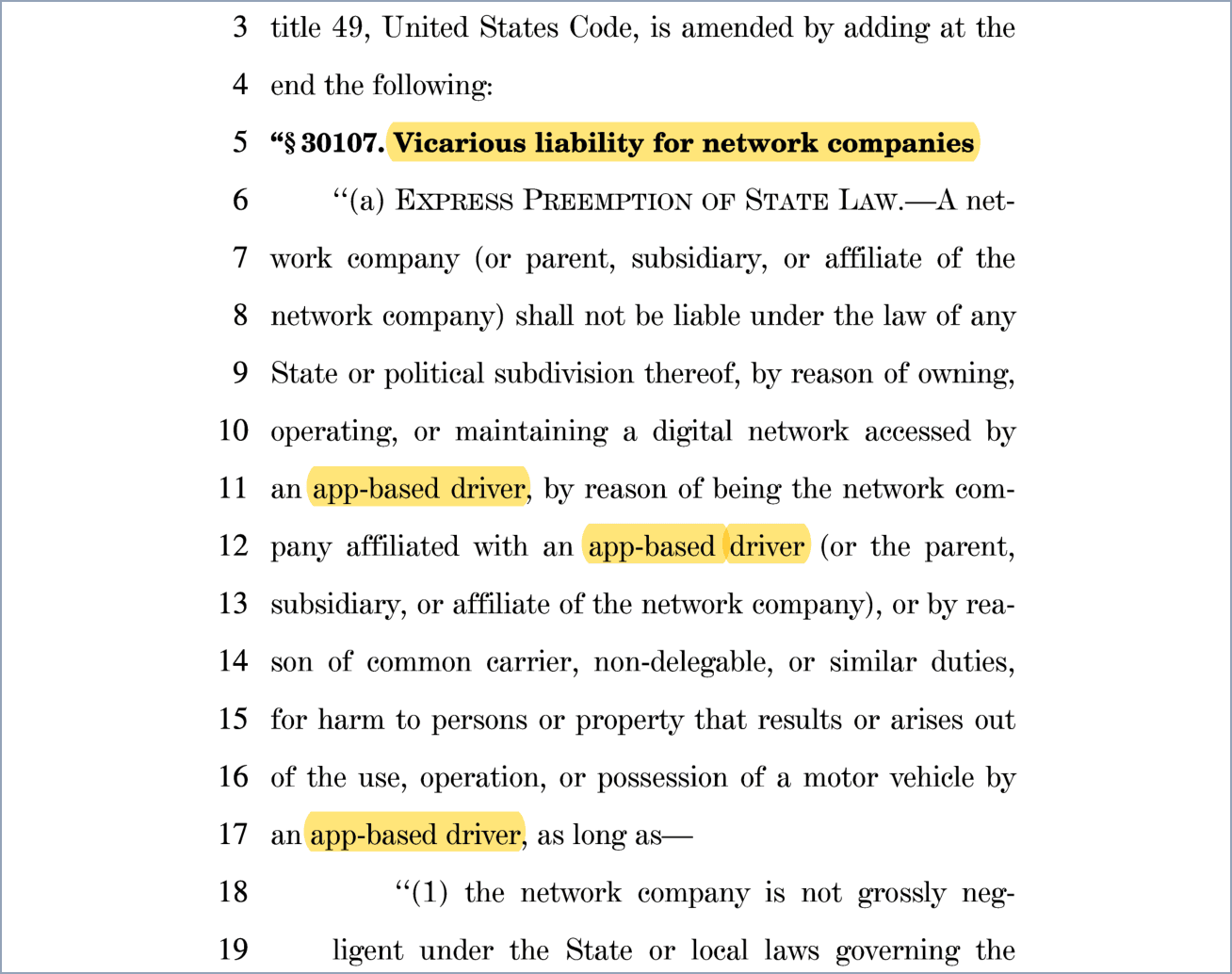
The warning came after Rep. Vince Fong offered a May 21 amendment to H.R. 8870 with a section titled Vicarious liability for network companies. The language covered app-based drivers, digital networks, prearranged transportation, and on-demand delivery. House Transportation and Infrastructure adopted it 35-30, then ordered the full bill reported 62-2.
Uber Asked Congress for Protection
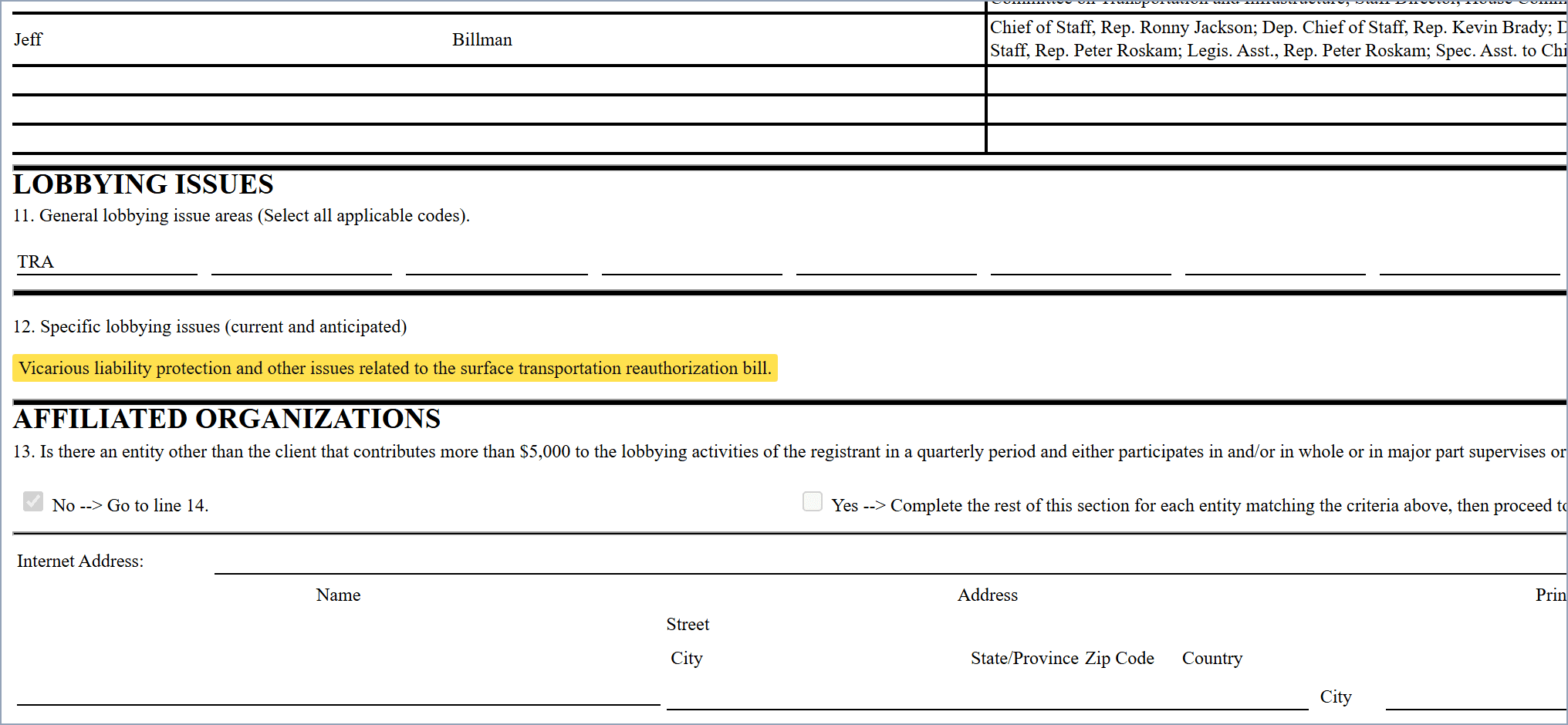
Uber's March 2026 lobbying registration put the ask in plain language: vicarious-liability protection tied to surface transportation reauthorization. In simple terms, Uber wanted Congress to handle liability rules inside the same legislative process that writes national transportation policy.
The April filings widened the pressure campaign. Uber and outside lobbying firms disclosed roughly $1.5 million in Q1 federal lobbying expenses across transportation, auto insurance, litigation, Mobility on Demand, autonomous vehicles, non-emergency medical transportation, labor classification, tax, food delivery, data privacy, and artificial intelligence.
From the federal side, the reports listed the House, Senate, Department of Transportation, Federal Transit Administration, Department of Labor, Department of Energy, and other federal offices. The liability fight sat inside a much broader push over how app-based transportation gets regulated.
Congress Is Buying UBER Shares
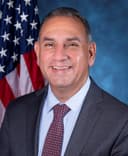
The pattern investors watch is simple: a member of Congress discloses a purchase near a policy window that can change a company's costs, revenue, or legal risk. Politraders has tracked that setup across prior investigations in chips, medical devices, food rules, lithium, and critical infrastructure. In this case, the names around UBER are hard to ignore: Nancy Pelosi, John Hickenlooper, Gilbert Cisneros, and Ro Khanna all appeared in the trade window. Why would Democrats who later opposed the rideshare-immunity language still show UBER exposure? There are two clean reads. First, a bullish trade can be a bet that the liability shield survives despite opposition. Second, the opposition letters themselves confirm the provision is material enough to fight over, which is exactly the kind of policy signal markets watch.
Politicians buying UBER around the liability fight
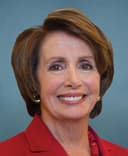
Nancy Pelosi
House: CA
Trade date
May 28, 2026
Reported
June 24, 2026
Amount
$500K-$1M call options
Source

John Hickenlooper
Senate: CO
Trade date
Jan. 14, 2026
Reported
Feb. 6, 2026
Amount
$100K-$250K
Source
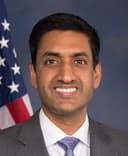
Pelosi's row is the live Politraders feed signal from the June 24 run. The other listed purchases have official PTR URLs in the saved casefile.
How This Could Benefit Uber Investors
Uber's app looks light, but the company carries a heavy insurance and claims machine behind every trip. Its Q1 2026 Form 10-Q listed $12.9 billion in insurance reserves at March 31. Its 2025 Form 10-K showed $4.9 billion of insurance-reserve additions during the year and said Mobility insurance expense increased by $851 million year over year.
For a company like Uber, the stock usually rises when investors believe one of four things changed: revenue can grow faster, margins can improve, legal risk can fall, or the market can pay a higher price for future earnings. A federal liability shield speaks to the last two points. It can make investors model fewer platform-level claims, less legal uncertainty, and cleaner Mobility margins.
The math explains the obsession. A 5% reduction on a $4.9 billion annual insurance-reserve addition base is about $245 million before tax. A 10% reduction is about $490 million. A 20% reduction is about $980 million, close to a billion dollars. If the market capitalized those after-tax savings at 18.5 times earnings, the equity-value range would be roughly $3.6 billion, $7.1 billion, and $14.3 billion.
The congressional lane
| Actor | Role in the file | Money / timing signal |
|---|---|---|
| Sam Graves | H.R. 8870 sponsor and House Transportation and Infrastructure chair. | Uber PAC gave $3,500 to Graves for Congress on Nov. 3, 2025. |
| Rick Larsen | H.R. 8870 cosponsor and T&I ranking member. | Uber PAC gave $3,500 to Citizens to Elect Rick Larsen on Mar. 4, 2026. |
| David Rouzer | H.R. 8870 cosponsor and Highways and Transit chair. | Uber PAC gave $3,500 to David Rouzer for Congress on Dec. 3, 2025. |
| Vince Fong | Offered the adopted network-company liability amendment. | Fong's office described the amendment as limiting vicarious liability for ride-share companies. |
| Pelosi / Khanna / Cisneros | Listed in official California delegation materials opposing the rideshare-immunity language. | All three also appear in the UBER trade graph during the same policy window. |
Sources: Congress.gov, House Docs, FEC Uber PAC record, California delegation release.
What Riders and Drivers Lose
The customer-side problem is easy to understand. If this language becomes law, a passenger hurt during a rideshare trip may have a harder time suing Uber itself. The Democratic Women's Caucus letter warned about serious injury, death, and sexual assault cases involving rideshare apps such as Uber and Lyft. The California delegation letter said the provision would override state law and named Uber directly.
In other words, the same language that could make Uber's legal risk easier for investors to model could make the lawsuit path harder for victims. The company gets a federal shield; passengers, drivers, state courts, and state legislatures get less room to respond when the app trip ends badly. If your Uber ride ends with a broken leg, a hospital bill, or a police report, this bill helps the company argue that Uber only made the match and the rest is your problem to chase through court.
Timeline
Jan. 14
Hickenlooper bought UBER.
The Senate PTR lists a self-owned UBER purchase in the $100K-$250K range.
Mar. 11
Uber's liability ask entered the lobbying record.
AXADVOCACY registered for Uber on vicarious-liability protection and surface transportation reauthorization.
Apr. 14
Cisneros bought UBER.
The House PTR lists a $1K-$15K UBER purchase in the April disclosure cycle.
Apr. 19-20
Uber's Q1 lobbying reports posted.
The unique saved filings total roughly $1.5M and include transportation, insurance, litigation, labor, tax, technology, AV, NEMT, and food-delivery lanes.
May 15
Khanna bought UBER.
The House PTR lists a spouse-owned UBER purchase in the $1K-$15K range.
May 19
H.R. 8870 was introduced.
The bill became the moving surface-transportation vehicle in the House.
May 21
The Fong liability amendment cleared committee.
House T&I adopted Fong 041 Rev1 by 35-30 and ordered H.R. 8870 reported the next day.
May 28
Pelosi's UBER option row appeared in the feed window.
The Politraders row shows a spouse-owned UBER call-option purchase dated May 28 in the $500K-$1M range.
Jun. 10-12
Official letters named the downside.
House letters opposed the rideshare-immunity language, named Uber or rideshare apps such as Uber and Lyft, and listed Pelosi, Khanna, and Cisneros among California signers.
What to Expect Next
In prior Politraders cases, when several politicians buy the same stock around the same policy fight, the trade cluster is usually worth watching because it often appears near legislation, agency action, or policy language that later moves. That is why the UBER purchases belong next to the liability language, the March lobbying registration, and the June House letters naming Uber. We are actively monitoring whether Congress keeps the shield in the bill, and whether Uber's next filings start showing the financial benefit.
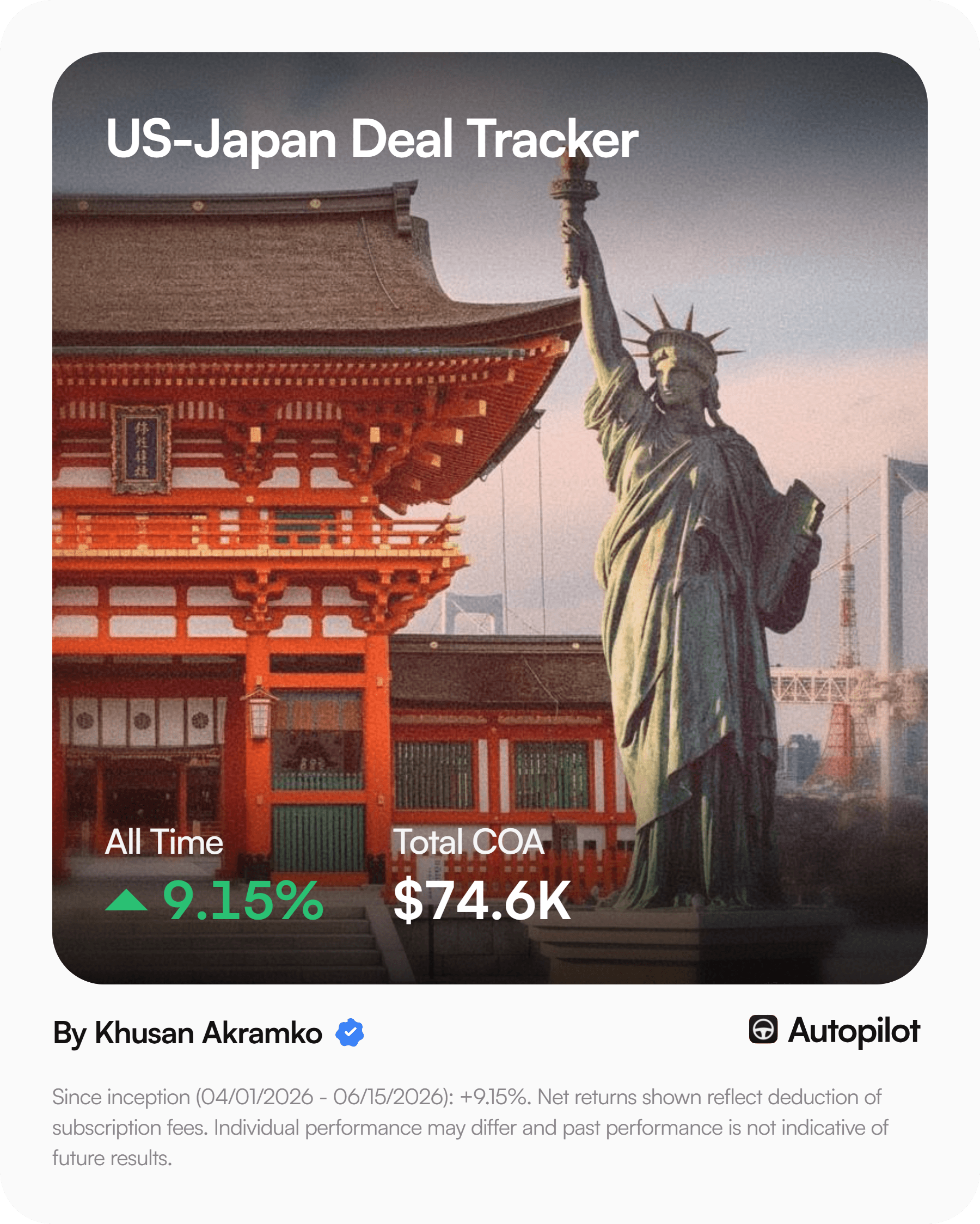
US-Japan Deal Tracker
Track the $550B bilateral deal portfolio on Autopilot
Politraders launched a pilot Autopilot portfolio for public companies tied to the US-Japan Deal Tracker, a $550 billion bilateral investment framework followed through company filings, official announcements, and policy records.
Research and tracking only. No investment recommendation is made.
Source Index
- Senate PTR for Hickenlooper UBER purchase
- House PTR for Cisneros UBER purchase
- House PTR for Khanna UBER rows
- AXADVOCACY March 2026 Uber registration
- AXADVOCACY Q1 2026 Uber report
- Uber in-house Q1 2026 lobbying report
- Doerrer Group Q1 2026 Uber report
- Congress.gov H.R. 8870
- Fong 041 Rev1 amendment text
- House Transportation and Infrastructure recorded vote package
- Fong release on the BUILD America 250 Act
- Democratic Women's Caucus letter on rideshare immunity
- California delegation letter on rideshare immunity
- Uber Q1 2026 Form 10-Q
- Uber 2025 Form 10-K
- Uber PAC FEC committee record
- Polygon market data
Disclaimer: This article uses public disclosures, congressional records, lobbying filings, FEC records, SEC filings, and saved market data. It provides public-record research; legal and investment recommendations are outside this article.
Politraders newsletter
Stay on track with new investigations.
Get congressional trade alerts, source-backed articles, and policy context when new public records drop.
Join the newsletter